How to Pack Efficiently for a Move, Room by Room Guide
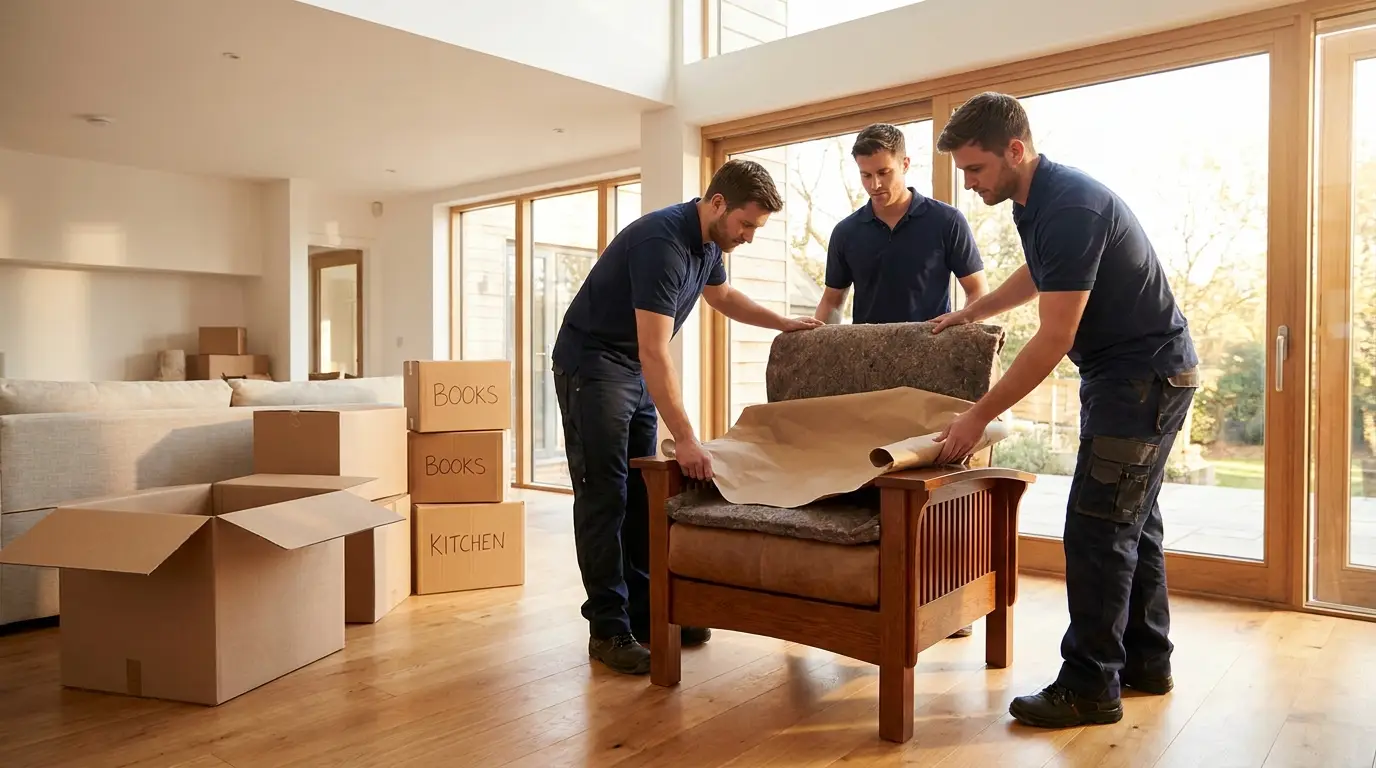
Packing is the part of moving that most people underestimate, both in time and in difficulty. Done right, it protects your belongings, saves time on the other end, and makes unpacking far less chaotic. Done wrong, it’s how things break and boxes become mystery containers you open three months later.
Here’s how to pack each room the right way.
Packing Supplies You Actually Need
Before you start, gather the right materials:
- Small, medium, and large boxes, Small boxes for heavy items (books, dishes), medium for most things, large only for light bulky items (pillows, comforters)
- Packing tape + dispenser, Don’t cheap out on tape. Get 2–3 rolls of 2-inch heavy-duty tape per room
- Bubble wrap or packing paper, For anything breakable. Packing paper is cheaper and more versatile than bubble wrap for most items
- Wardrobe boxes, Worth renting or buying for hanging clothes. Keeps them wrinkle-free
- Markers, Two colors: one for the room name (visible from a distance), one for contents detail
- Color-coded labels, Optional but excellent for large households. One color per room makes delivery direction effortless
Kitchen: The Hardest Room to Pack
The kitchen has the most breakables and the most variety. Pack it last (you’re using it daily) but give yourself a full day to do it.
Dishes: Wrap each plate individually in packing paper. Stand plates vertically in the box (like records in a crate), they’re 3x less likely to break this way. Crumple paper on the bottom and top for cushioning.
Glasses: Double-wrap. Use cell kits (cardboard dividers) inside the box. Never stack glasses without dividers.
Pots and pans: Nest smaller into larger. Wrap lids separately. Line the inside of pots with soft items (dish towels work well).
Appliances: Use original boxes if you have them. If not, wrap in bubble wrap and cushion generously. Label as FRAGILE.
Pantry: Don’t move open food containers, movers won’t accept them, and they spill. Use up pantry food before the move or donate it.
Bedroom: Faster Than You Think
Clothes: Wardrobe boxes make hanging clothes effortless and keep them wrinkle-free. For folded clothes, use medium boxes, clothes are heavier than people expect.
Mattresses: Use a mattress bag (most movers bring these). Don’t let your mattress travel uncovered, it will get dirty.
Furniture: Disassemble bed frames, bookshelves, and IKEA furniture. Put all hardware (screws, bolts) in a labeled zip-lock bag taped to the furniture piece. Take a photo before disassembly so you remember how it goes back together.
Mirrors and artwork: Use mirror boxes or have your mover handle these. Mirrors wrapped only in blankets often crack in transit.
Living Room: Focus on Fragile Electronics
TV: Use the original box if you have it. If not, purchase a TV box from a moving supply store, they’re inexpensive and worth it. Never lay a flat-screen face down.
Cables and remotes: Group cables by device in labeled zip-lock bags. Take a photo of the back of your entertainment system before disconnecting.
Books: Small boxes only. Books are deceptively heavy and a medium box full of books will blow out the bottom.
Décor and plants: Wrap fragile décor individually. Note: most movers won’t transport plants for long-distance moves. Arrange for them separately.
Bathroom: Pack at the Very End
The bathroom is one of the last rooms to pack because you need it until the final morning. Pack:
- All non-daily items first (extra shampoo, medicine cabinet overflow, cleaning supplies)
- Seal all liquid bottles with tape around the cap, pressure changes cause leaks
- Put daily bathroom items in a personal bag, not on the truck
Labeling: The Step Most People Skip
Every box should have:
- Destination room, written large on at least two sides
- Brief contents, “Kitchen: plates, glasses” or “Master BR: bedding”
- FRAGILE if applicable, and mean it
Write on the sides, not the top. Boxes stack. If the label is only on top, you can’t read it.
The “Open First” Box
Pack one box, or a suitcase, with everything you’ll need in the first 24 hours:
- Phone charger
- Toiletries and toilet paper
- One change of clothes
- Coffee maker and cups
- Medications
- Snacks and a water bottle
- Important documents
Keep this with you in your car, not on the truck.
Frequently asked questions
What should I pack first when moving?
Pack items you use least often first, seasonal decorations, books, out-of-season clothing, spare bedding, and sentimental items stored in closets. Leave daily-use items (coffee maker, toiletries, phone charger, work laptop) for last, or pack them in a personal bag you keep with you.
How many boxes do I need for a 2-bedroom apartment?
A typical 2-bedroom apartment requires 40–60 boxes of various sizes. This includes approximately 15–20 small boxes (books, kitchen items), 20–25 medium boxes (clothing, linens, pantry), and 5–10 large boxes (pillows, comforters, light items). Most movers can provide boxes or connect you to a supplier.
Is it worth paying for professional packing?
For delicate items, fragile kitchenware, artwork, and specialty pieces, professional packing is often worth the cost, particularly for long-distance moves where your belongings spend days in transit. For sturdy items (clothing, books, linens), packing yourself is straightforward and saves money.